
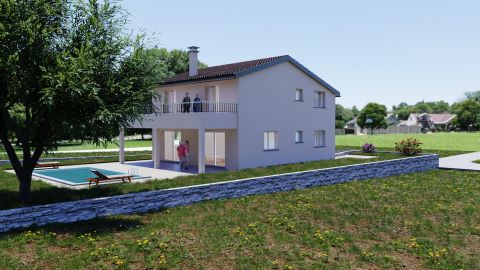
3D visualization, also known as 3D rendering, is the end result of a complex process that includes 3D scene modeling, lighting, texturing and rendering, with the goal of creating an image or video animation. This approach is compared to photographing or recording the actual scene. The first step is to create a 3D model of the world in some software, including its physics, atmosphere, lights, etc. Then a 3D renderer is used to “take a picture” of that virtual world.
What exactly is Architectural Visualization?
Architectural 3D visualization is the most effective marketing tool in the real estate industry. It is used to convince potential buyers of a particular architectural design, often in the form of static 3D photo-realistic visualizations. There are different ways of presenting architectural visualization, including static visualizations such as 3D floor plans, interior renderings, exterior renderings, aerial views, 3D animations, 360-degree panoramas, and virtual reality.
Who needs architectural visualization?
A high-quality presentation of the building far before the construction phase begins. A realistic representation of the building, based on the conceptual or main design of the building. It is possible to get a sense of space, colors and textures.
It enables them to promote their services and display their technical capabilities, even before the completion of the first projects. It helps convey ideas to clients and makes the design process more efficient.
It allows customers to showcase personal space designs in a way that not only looks amazing, but is also functional.
They use 3D renderings to pre-sell undeveloped properties, providing high-quality visualizations to attract potential buyers.
They use professional landscape design software to create high quality plans.
Why are 3D renderings important in architectural design?
3D representations facilitate the transfer of ideas and enable early identification of project vulnerabilities. They can be used as powerful marketing tools to attract investors and customers. They also enable the expression of ideas in a way that is productive and efficient, which often results in positive reactions and constructive contributions from the audience.
Contemporary architecture is significantly different from its predecessors. Instead of sketching ideas and drawing blueprints, almost the entire process is now done through CAD software. Design technology has contributed significantly to the world of architecture. Now ideas are not only expressed more quickly, but also in a much greater level of detail.
And while some architects still prefer pen and paper to jot down ideas, most use software solutions. This is because the software allows them to express their ideas despite their possible lack of drawing talent.
From a creative standpoint, technology has enabled many individuals to express their ideas in a new environment, with 3D visualization taking center stage.
Through 3D visualization and CAD design, anyone with access to a computer can create something extraordinary. While architects still have to comply with laws and regulations to make projects sustainable, 3D visualization has simplified the process of drafting and presenting properties in a quick and easy way.
From a technical standpoint, 3D visualization has enabled architects to seamlessly generate blueprints and create projects from start to finish within the same software. CAD software represents a complete solution, and 3D visualization allows designers to create their designs more efficiently, view them from all sides and place them in a real environment.
Conclusion
Architectural 3D visualization provides a powerful tool for communication, promotion and marketing purposes in the real estate, architecture and interior and exterior design industries. Through 3D renderings, professionals can quickly share their ideas, attract customers and avoid potential problems during construction.
Photo by T. L. A. projekt d.o.o.

